17 Dec, 2025
 5 mins read

Debt mutual funds are often seen as lower-risk investment options, but not all debt funds behave the same way. Some aim to earn higher returns by taking calculated exposure to lower-rated corporate bonds. This is where a credit risk fund fits into the debt fund category. Understanding how it works, who it suits, and what risks it carries is essential before investing.
A credit risk fund is a type of debt mutual fund that invests primarily in lower-rated corporate bonds. These bonds usually carry ratings below the highest safety grade. Because of the higher default risk, they offer higher interest rates compared to top-rated bonds.
If you are wondering what is credit risk fund in simple terms, it is a debt fund that seeks better returns by lending to companies with moderate credit profiles. The fund manager aims to benefit from both higher interest income and potential improvement in the issuer’s credit quality over time.
Credit risk mutual funds follow a yield enhancement strategy. Instead of focusing on highly rated government or AAA corporate bonds, they allocate a large portion of their portfolio to instruments rated AA and below.
The fund manager performs detailed credit analysis to assess the company’s cash flows, balance sheet strength, industry outlook, and repayment ability. If the credit quality improves, the bond price may rise, generating capital gains along with interest income.
However, if the issuer faces financial stress, the bond value can fall, affecting the fund’s net asset value. This makes credit assessment a critical part of the investment process.
Credit risk debt funds have distinct characteristics that set them apart from other debt categories.
These funds invest in bonds offering higher interest rates, which supports better income generation.
Fund managers actively select issuers based on credit research rather than relying only on ratings.
Returns depend more on credit quality than changes in interest rates.
NAV movements can be sharper during credit events or market stress.
They suit investors who can remain invested through credit cycles.
Credit risk fund returns tend to be higher than liquid funds, money market funds, and short-duration debt funds over a full market cycle. However, these returns are not linear or guaranteed.
In stable economic conditions, steady interest income and improving credit quality can support strong performance. During periods of economic slowdown or corporate stress, returns may suffer due to downgrades or defaults.
Investors should view returns from this category over a medium to long-term horizon rather than expecting consistent short-term gains.
Credit risk fund taxation follows the same rules as other debt mutual funds.
Short-Term Capital Gains apply if units are sold within three years and are taxed as per the investor’s income slab.
Long-Term Capital Gains apply after three years and are taxed at 20 percent with indexation benefits.
Dividends, if opted for, are taxed in the hands of the investor according to applicable income tax slabs. Tax treatment does not depend on the credit profile of the bonds held by the fund.
Understanding the difference between credit risk funds and other debt categories helps in better portfolio allocation.
Liquid and money market funds focus on capital preservation and liquidity.
Corporate bond funds invest mainly in high-rated bonds with lower credit risk.
Dynamic bond funds adjust duration based on interest rate outlook.
Credit risk funds priorities yield enhancement through lower-rated issuers.
Among these, credit risk funds carry higher risk but also offer higher return potential when credit selection works well.
This category suits investors who:
Have a moderate to high risk appetite
Can stay invested for at least three to five years
Understand credit cycles and default risk
Seek higher income than traditional debt funds
Want limited exposure to equity but higher returns than safe debt options
Such investors often use these funds as a small allocation within a diversified portfolio.
Credit risk funds may not suit everyone. Investors who should avoid them include:
Those with low risk tolerance
Investors seeking capital protection
Individuals with short investment horizons
First-time debt fund investors
Those who depend on predictable income
For such investors, safer debt categories may be more appropriate.
Although returns can be attractive, risks must be clearly understood.
If an issuer fails to meet repayment obligations, the bond value may fall sharply.
A credit rating downgrade can negatively impact the fund’s NAV.
Lower-rated bonds may become difficult to sell during market stress.
Exposure to a limited number of issuers or sectors increases vulnerability.
Negative news can lead to sudden price corrections even without defaults. Understanding these risks helps investors set realistic expectations.
Selecting the right scheme requires careful evaluation.
Check the proportion of lower-rated bonds and issuer diversification.
A strong credit research team improves decision-making quality.
Look at how the fund handled past downgrades or defaults.
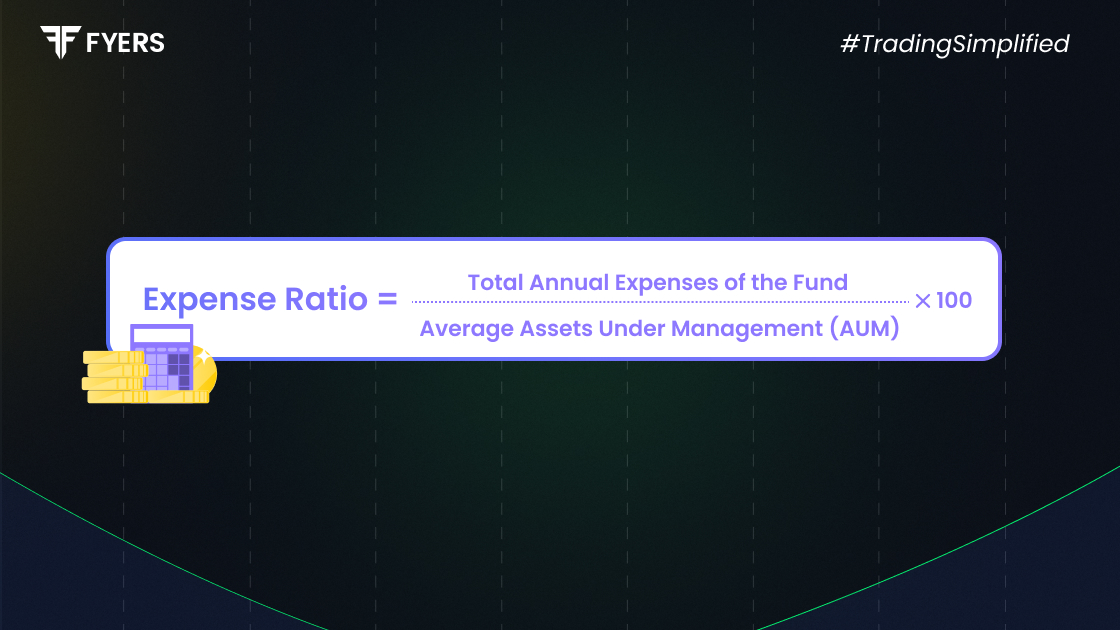
Higher costs can reduce net returns over time.
Ensure the fund fits your overall investment strategy.
A disciplined selection process reduces unpleasant surprises.
A credit risk fund offers an opportunity to enhance returns within the debt mutual fund space by taking measured exposure to lower-rated corporate bonds. While the return potential is higher, so are the risks linked to credit quality and market sentiment. These funds suit informed investors who understand credit dynamics and can remain invested through periods of volatility. When used thoughtfully and in moderation, credit risk funds can play a useful role in a diversified portfolio.
It is a debt mutual fund that invests in lower-rated corporate bonds to earn higher returns.
They are riskier than traditional debt funds because of exposure to lower credit quality issuers.
Returns come from higher interest income and potential gains if credit quality improves.
They follow standard debt fund taxation rules with long-term benefits after three years.


Calculate your Net P&L after deducting all the charges like Tax, Brokerage, etc.

Find your required margin.

Calculate the average price you paid for a stock and determine your total cost.

Estimate your investment growth. Calculate potential returns on one-time investments.

Forecast your investment returns. Understand potential growth with regular contributions.

You have successfully submitted your partnership request form. You will be hearing us soon!






 Back
Back